Saturday, October 29, 2016

NYT HIRES INVESTIGATIVE REPORTERS AFTER 20 YEARS RE:GMOs

G.M.O.s Were Supposed
to Increase Crop Yields

Canada and Western Europe grow different varieties of rapeseed (canola), but Canadian farmers have adopted genetically modified seed, while European farmers have not. Still, the long-term yield trend for both areas is up.
hectograms per hectare*
50,000
Rapeseed crop yield
40,000
Trend line
30,000
G.M.O.s not used
WESTERN EUROPE
Annual figures
20,000
G.M.O.s used
CANADA
Genetically modified varieties
introduced in North America
0
’85
’90
’95
’00
’05
’10
’14
The New York Times|Sources: Food and Agriculture Organization of the United Nations | Note: Western Europe is France, Germany, Belgium, Luxembourg, Switzerland, the Netherlands and Austria.
In the last three decades, corn yields in Western Europe have largely kept pace with those in the United States.
120,000
hectograms per hectare*
G.M.O.s used
UNITED STATES
Corn crop yield
100,000
80,000
G.M.O.s not used
WESTERN EUROPE
Genetically modified varieties introduced in the U.S.
40,000
20,000
0
’85
’90
’95
’00
’05
’10
’14
The New York Times|Source: Food and Agriculture Organization of the United Nations | Note: Western Europe is France, Germany, Belgium, Luxembourg, Switzerland, the Netherlands and Austria.
Meanwhile, in the last decade sugar beet yields in Western Europe have increased more sharply than those in the United States.
1,000,000
hectograms per hectare*
G.M.O.s not used
Sugar beet crop yield
WESTERN EUROPE
800,000
600,000
G.M.O.s used
UNITED STATES
400,000
Genetically modified varieties introduced in the U.S.
200,000
0
’05
’10
’14
The New York Times|Source: Food and Agriculture Organization of the United Nations | Note: Genetic modification penetration reached 95 percent by 2010, according to the United States Dept. of Agriculture.

G.M.O.s Were Supposed
to Lessen Pesticide Use

Manufacturers also said that genetically modified crops would reduce the need for pesticides. In France, where G.M.O.s are not permitted, pesticide use has significantly declined.
70
thousand metric tons of active ingredient
Pesticide use in France
60
50
40
FUNGICIDES
30
HERBICIDES
20
10
INSECTICIDES
0
’96
’00
’05
’10
’13
The New York Times|Source: Union of Industries of Plant Protection (France)
But in the United States, while the use of insect- and fungus-killing chemicals has declined, farmers are using even more weed killers.
600
million pounds
Pesticide use in the United States
500
400
HERBICIDES
300
200
100
INSECTICIDES AND FUNGICIDES
0
’92
’96
’00
’04
’08
’12
The New York Times|Source: U.S. Geological Survey
Much of the growth in the use of weed killers has come in Monsanto’s Roundup, in which the active ingredient is glyphosate.
percentage of acres treated
350
Herbicides applied to corn in the United States
300
250
METOLACHLOR
ACETOCHLOR
200
ATRAZINE
150
100
OTHERS
50
GLYPHOSATE
0
’90
’95
’00
’05
’10
’14
The New York Times|Source: U.S.D.A. National Agricultural Statistics Service

ORGANICS REMOVE ENDOCRINE DISRUPTOR CHEMS

Hormone hacking

Hormone hacking


Summary

Glyphosate and Roundup have been shown to be endocrine (hormone) disruptors in experiments. Endocrine disruption in humans is thought to contribute to some cancers, birth defects, reproductive problems such as infertility, and developmental problems in foetuses, babies, and children.
Under European law, pesticides that disrupt hormones (“endocrine disrupting chemicals” or EDCs) are not allowed to be marketed.1 Governments recognize the threat posed by endocrine disruption, which are believed to be implicated in serious diseases, such as cancer, reproductive and developmental problems, and birth defects. These effects are thought to result from very low doses over a long period of exposure or from exposures in critical windows of development, such as foetal development in the womb.

The Glyphosate Task Force (GTF) website, which is run by pesticide companies, cites the German government’s view that glyphosate is not an endocrine disruptor.
2
But this is seriously misleading. On the contrary, studies from the peer-reviewed independent literature show that both glyphosate and the commercial formulations, such as Roundup, are endocrine disruptors.
The endocrine disrupting effect of glyphosate and its commercial formulations is their most insidious and worrying toxic effect. This is because EDCs do not function like normal poisons, where a higher dose gives greater toxicity. Often, endocrine disruptive effects are seen at lower doses but not at higher doses.3,4 The studies conducted by industry for regulatory purposes use relatively high doses and are not able to detect these effects.
Peer-reviewed study findings include the following:
  • Glyphosate herbicide altered hormone levels in female catfish and decreased egg viability. The study concluded that the herbicide is harmful to catfish reproduction.5
  • Roundup disrupted production of the steroid hormone progesterone in mouse cells.6
  • Glyphosate herbicide was a potent EDC in rats, causing disturbances in reproductive development after exposure during puberty.7
  • In an in vitro experiment in human cells, glyphosate herbicides prevented the action of androgens, the masculinizing hormones, at levels up to 800 times lower than glyphosate residue levels allowed in some GM crops used for animal feed in the USA. DNA damage was found in human cells treated with glyphosate herbicides at these levels. Glyphosate herbicides disrupted the action and formation of estrogens, the feminizing hormones. The first toxic effects were found at the low dose of 5 ppm and the first endocrine disruption at 0.5 ppm – 800 times less than the 400 ppm level authorized for some animal feeds.8
  • Roundup herbicide at environmentally relevant exposure levels (down to 0.00023% glyphosate dilution of the commercial formulation) caused the dysregulation of genes in human breast cancer cells grown in the laboratory in vitro. Of the 1,550 genes analyzed, expression of 680 was either increased or decreased. Roundup was able to replace and work synergistically with estrogen, which is required for growth of the breast cancer cells. This demonstrates the strong potential endocrine disruptive potential of glyphosate in this hormonal system. The authors commented, “There remains an unclear pattern of very complex events following exposure of human cells to low levels of glyphosate, but events surrounding the altered levels of expression of only three genes… out of the entire battery tested, are both complicated and potentially damaging to adult and fetal cells.”9
  • Glyphosate alone increased the proliferation of estrogen-dependent breast cancer cells by estrogenic mechanisms in vitro10 at a level permitted in drinking water in the EU (see “Potentially dangerous levels of glyphosate found in GM soy” for more on this study).
  • An in vivo study of Roundup administered to rats in drinking water diluted to 50ng/L glyphosate equivalence – half of the level permitted in drinking water in the EU11and 14,000 times lower than that permitted in drinking water in the USA12 – resulted in severe organ damage and a trend of increased incidence of mammary tumours in female animals over a 2-year period of exposure. The latter observation of tumours needs to be confirmed in an experiment with larger numbers of rats.13
  • Roundup was an endocrine disruptor through its toxicity to human cells in vitro at levels permitted in drinking water in Australia. The endocrine disruption occurred through a mechanism of toxicity to the cells, making them unable to produce the hormone progesterone. The lowest level consistently found to be toxic was 720ug/L. As the Australian Drinking Water Guideline is set at the relatively high level of 1mg/L (higher than the permitted US levels of 700ug/L or 0.7mg/L), the levels found toxic in the experiment are within the range permitted in Australia.14
Due to the activities of the powerful agrochemical lobby and its allies in government, dispute will continue about how relevant these findings are to humans until more experiments are done in animals using low, presumed safe doses, over a long period of time.
References:
  1. European Parliament and Council. Regulation (EC) No 1107/2009 of 21 October 2009 concerning the placing of plant protection products on the market and repealing Council Directives 79/117/EEC and 91/414/EEC. Off J Eur Union. 2009:1-50.
  2. Glyphosate Task Force. Industry Task Force welcomes important step in the EU review of glyphosate. Glyphosate Facts. 2014. http://www.glyphosate.eu/news/industry-task-force-welcomes-important-step-eu-review-glyphosate.
  3. Vandenberg LN, Colborn T, Hayes TB, et al. Hormones and endocrine-disrupting chemicals: Low-dose effects and nonmonotonic dose responses. Endocr Rev. 2012;33(3):378-455. doi:10.1210/er.2011-1050.
  4. Vom Saal FS, Akingbemi BT, Belcher SM, et al. Chapel Hill bisphenol A expert panel consensus statement: integration of mechanisms, effects in animals and potential to impact human health at current levels of exposure. Reprod Toxicol. 2007;24:131-138. doi:10.1016/j.reprotox.2007.07.005.
  5. Soso AB, Barcellos LJG, Ranzani-Paiva MJ, et al. Chronic exposure to sub-lethal concentration of a glyphosate-based herbicide alters hormone profiles and affects reproduction of female Jundiá (Rhamdia quelen). Environ Toxicol Pharmacol. 2007;23:308-313.
  6. Walsh LP, McCormick C, Martin C, Stocco DM. Roundup inhibits steroidogenesis by disrupting steroidogenic acute regulatory (StAR) protein expression. Env Health Perspect. 2000;108:769-776.
  7. Romano RM, Romano MA, Bernardi MM, Furtado PV, Oliveira CA. Prepubertal exposure to commercial formulation of the herbicide Glyphosate alters testosterone levels and testicular morphology. Arch Toxicol. 2010;84:309-317.
  8. Gasnier C, Dumont C, Benachour N, Clair E, Chagnon MC, Séralini GE. Glyphosate-based herbicides are toxic and endocrine disruptors in human cell lines. Toxicology. 2009;262:184-191. doi:10.1016/j.tox.2009.06.006.
  9. Hokanson R, Fudge R, Chowdhary R, Busbee D. Alteration of estrogen-regulated gene expression in human cells induced by the agricultural and horticultural herbicide glyphosate. Hum Exp Toxicol. 2007;26:747-752. doi:10.1177/0960327107083453.
  10. Thongprakaisang S, Thiantanawat A, Rangkadilok N, Suriyo T, Satayavivad J. Glyphosate induces human breast cancer cells growth via estrogen receptors. Food Chem Toxicol. 2013;59:129-136. doi:10.1016/j.fct.2013.05.057.
  11. Council of the European Union. Council directive 98/83/EC of 3 November 1998 on the quality of water intended for human consumption. Off J Eur Communities. 1998. http://eur-lex.europa.eu/LexUriServ/LexUriServ.do?uri=OJ:L:1998:330:0032:0054:EN:PDF.
  12. US Environmental Protection Agency (EPA). Basic information about glyphosate in drinking water. 2014. http://water.epa.gov/drink/contaminants/basicinformation/glyphosate.cfm#four.
  13. Séralini G-E, Clair E, Mesnage R, et al. Republished study: long-term toxicity of a Roundup herbicide and a Roundup-tolerant genetically modified maize. Environ Sci Eur. 2014;26(14). doi:10.1186/s12302-014-0014-5.
  14. Young F, Ho D, Glynn D, Edwards V. Endocrine disruption and cytotoxicity of glyphosate and roundup in human JAr cells in vitro. Integr Pharmacol Toxicol Genotoxicol. 2015;1(1):12-19.

Saturday, October 22, 2016

GUILTY AS CHARGED: GMOs POISONING FOOD & PLANET

People’s Assembly – Verdict: Monsanto and Poison Cartel guilty of crimes against the planet and humanity

The Hague, 16 October 2016: Monsanto and the Poison Cartel are guilty of crimes against our planet and humanity. This is the verdict from the People’s Assembly organized in the Hague alongside the Monsanto Tribunal. The voices of the soil, of the seeds, of farmers, consumers, and of people from all over world converged and reverberated in a new unity across diversity. The poison making industry is destroying life on Earth, our health and our democracies. The Peoples assembly resolved to end a century of ecocide and genocide.
Poisons are not feeding us – rather, they are killing both ourselves and our planet. The poison cartel, which includes toxic makers such as Monsanto, Bayer, Dow, DuPont, etc are together destroying both our bread and our freedom. They are corrupting governments, violating nations’ sovereignty and imposing on our planet a model of greed, poison and corruption. To steer our planet away from this destructive path, a Planetary Alliance for Earth Democracy has been formed under the People’s Assembly. Thousands of people from across the world have already joined us in this Alliance and a further one billion people will join in the next two years to reject patents on seeds, and poisons in our food and soil. Through this initiative, people worldwide are working to reclaim their basic right of seed freedom and to promote poison-free organic farming and agro-ecology.
In celebration of World Food Day, on the closing day (October 16th), we baked a special organic bread from native wheat varieties and shared it as a ‘bread of freedom’ with participants of the People’s assembly along with a serving of organic olive oil.
The Alliance is born to stop the crimes of Monsanto and of the Poison Cartel and block their attempts to hijack our democracy all over the world. The new generation of free trade agreements such as TTIP, TPP and CETA are proving to be means that Agri-business corporations have devised to control our life and dismantle our democratic systems and institutions. They have also invested in propaganda campaigns to confuse the public about science. They are using pseudo-scientific evidence to disguise their crimes. This corporate propaganda is directly attacking independent eminent scientist like Dr Gilles-Eric Seralini, Dr A Putzai whose research exposes the real impacts of industrial agriculture and toxic pesticides.
GMO seeds and poisonous products such as Round Up (Glyphosate) & Basta (Glufosinate) led to the destruction of soils, to desertification, to the extermination of bees (75% in industrial agriculture-dominated areas), to the rise in health epidemics such as cancer, birth defects, et al. They are contaminating people by polluting areas and poisoning our food systems. The People’s Assembly represented the platform through which to share independent studies and real experiences of farmers and consumers across the world. Argentinian photographer Pablo Piovano exhibited glimpses of rural Argentina, which has over time been overwhelmed with Monsanto and other corporations’ poisonous technologies, challenging Monsanto crimes from an artistic perspective.
But Monsanto abuses are not limited to Argentina, they have repeatedly attacked the legal protection systems of countries such as Brazil, Mexico, India and the even threatened the European Parliament with undemocratic free trade agreements that aim to dismantle safety regulatory frameworks that protect the people.
Bart Staes, Member EU Parliament from the Green Party speaking to the People’s Assembly said, “We have to democratize the decision-making process, especially in the European Union parliament and we need to examine more carefully how the decisions are being made, especially when is comes to Agriculture; GMO seeds represent a huge problem for democracy; in fact the EU has under a lot of pressure to sign trade treaties that are deemed to have negative consequences on the environment and ecosystems. “
Ronnie Cummins, Founder of the Organic Consumer Association speaking on the closing day said, “ We need to globalise hope! We need to break down the walls that divide us and to express solidarity with one another. In order to survive as a species and planet, we need a transnational alliance for the Earth. We need to combine all farmers movements from India to Mexico for the survival of our planet.”
Dr Vandana Shiva, founder of Navdanya and renowned environmentalist, stated “ At this People’s Assembly, and at hundreds of others happening all over the world, people have passed their verdict. The poison cartel is guilty. They have destroyed life, plant and human health alike. They have disregarded all laws of nature and countries national legislation with the result of destroying biodiversity of our fields and our foods systems.
As part of the Planetary Alliance for Earth Democracy we shall continue to resist attempt of these poison makers to control our food, our life and democracy.
#MonsantosCrimes
1. Crimes against biodiversity, integrity and intrinsic worth of species by defining seeds and plants as their invention. Crimes against species and biodiversity
2. Crimes against biodiversity of pollinators – 75 % bees gone in industrial ;bees endeared species
3. Crimes against the Soil – Destruction of soil fertility and desertification.
4. Crimes against farmers – With over 300,000 farmers from India along have committed suicide because of Monsanto and they have been already spoken.
5. Propaganda and Lies: Monsanto are spread pseudo-scientific propaganda and lies to misguide the public and cover up their crimes.
6. Attack on Scientists – They have aggressively attacked independent scientist like Dr Eric Seralini and Dr A Putzai et al who have stood for real science and independent research.
7. Attack on Democracy – Monsanto has repeatedly attacked national governments in India Argentina, Mexico, Brazil, etc.
8. Right to Know: They are taking way from us the right to know what goes in our food.
9. Attack on democratic institution – In countries around the world they have attacked Anti-trust bodies, judiciary and government welfare institutions.
10. Attack on biosafety and Convention on Biological diversity- Monsanto with its genetic contamination and pollution tactics have blatantly transgressed the CBD and all biosafety regulations.
11. Crimes against the Earth/ Gaia – Monsanto and the poisons cartel at the biggest the contributors to Climate change. They are putting us on the path of annihilation.
Resources for journalists
For more information, audiovisual material, for accreditation and to interviews with the president of Navdanya, Vandana Shiva and other speakers
Please contact
Navdanya International
press [@] peoplesassembly [.] net
whatsapp: 0039 328 6334318 — 0039 329 8622125
Source:  http://peoplesassembly.net/peoples-assembly-verdict/

Tuesday, September 20, 2016

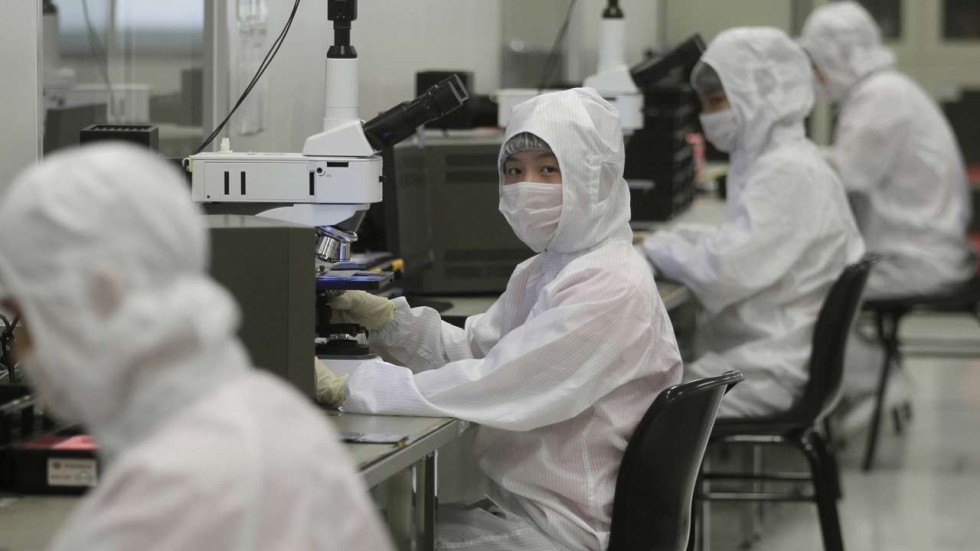
MORE FAKED GMO STUDIES - CHINA

China launches probe after PhD dropout claims national GMO testing centre faked records

Agricultural ministry investigating former doctoral student’s claims that laboratory fabricated maintenance records for dozens of projects on genetically modified organisms
PUBLISHED : Tuesday, 20 September, 2016, 10:43am
UPDATED : Tuesday, 20 September, 2016, 10:58pm
China’s Ministry of Agriculture began an investigation on Tuesday into claims by a dropout from a top doctoral programme that maintenance reports for a laboratory testing GMO products were made up.
The move came only days after Wei Jingliang, a former PhD student at the Chinese Academy of Agricultural Sciences’ Institute of Animal Sciences, said a national GMO testing centre administered by the institute had forged lab maintenance records for dozens of projects on genetically modified organisms.
“An investigation by the Ministry of Agriculture will start to verify work at the institute and the academy will actively cooperate,” the academy said in a statement posted on its website on Monday. “Severe punishment will be handed out if the claims are confirmed,” it added.
Earlier on Monday the Beijing Youth Daily reported that the inquiry hoped to publish its findings within two days.
In an interview with the same newspaper, Wei claimed that the testing centre had doctored lab maintenance records ahead of a major inspection, and that he had electronic copies of the forged documents that related to 30 projects.
“Most GMO testing labs do various scientific research projects. Do they all strictly carry out book keeping and quality control? This is a huge safety loophole,” Wei wrote in a post on Zhihu.com, a Chinese question-and-answer forum.

Wei, who worked at the lab during his doctoral studies, said on social media that the testing centre was due in July last year to have a three-yearly assessment of its quality control system and archives.
Several professors assigned him to get the documentation in order, which involved forging records on the lab’s environment, equipment and usage of testing agents.
He said he was told at a meeting that paperwork had been doctored for the inspection three years earlier. None of the 30 people at the meeting, including many researchers and postgraduate students, raised any questions, he said.
Wei said he protested but his professor, Li Kui, insisted. He then spent less than a month forging the records.


Wei also said some doctoral and postdoctoral researchers who had long left the lab were still counted as staff, and master’s students were told to do tests in the departed researchers’ names.
He said the lab turned down all the testing requests – unless they were assigned by more senior units – to avoid mistakes.
He was also instructed to endorse a GMO testing report that he suspected was concocted because he was not aware a test had been conducted.
Wei dropped out of the doctoral programme in April. He said he reported his claims to the academy’s postgraduate school and the institute in May, but was ignored. Instead, he was offered to be financially compensated for his dropping out of school.